

The Beyond Conflict Method
A structured approach to help people move from tension, emotional disconnection and repeated conflict into clarity, understanding and healthier communication.
Conflict is rarely just about the argument itself. Behind most conflict are unmet needs, emotions, stress, fear, misunderstandings, cultural differences, unspoken expectations or unresolved pain.
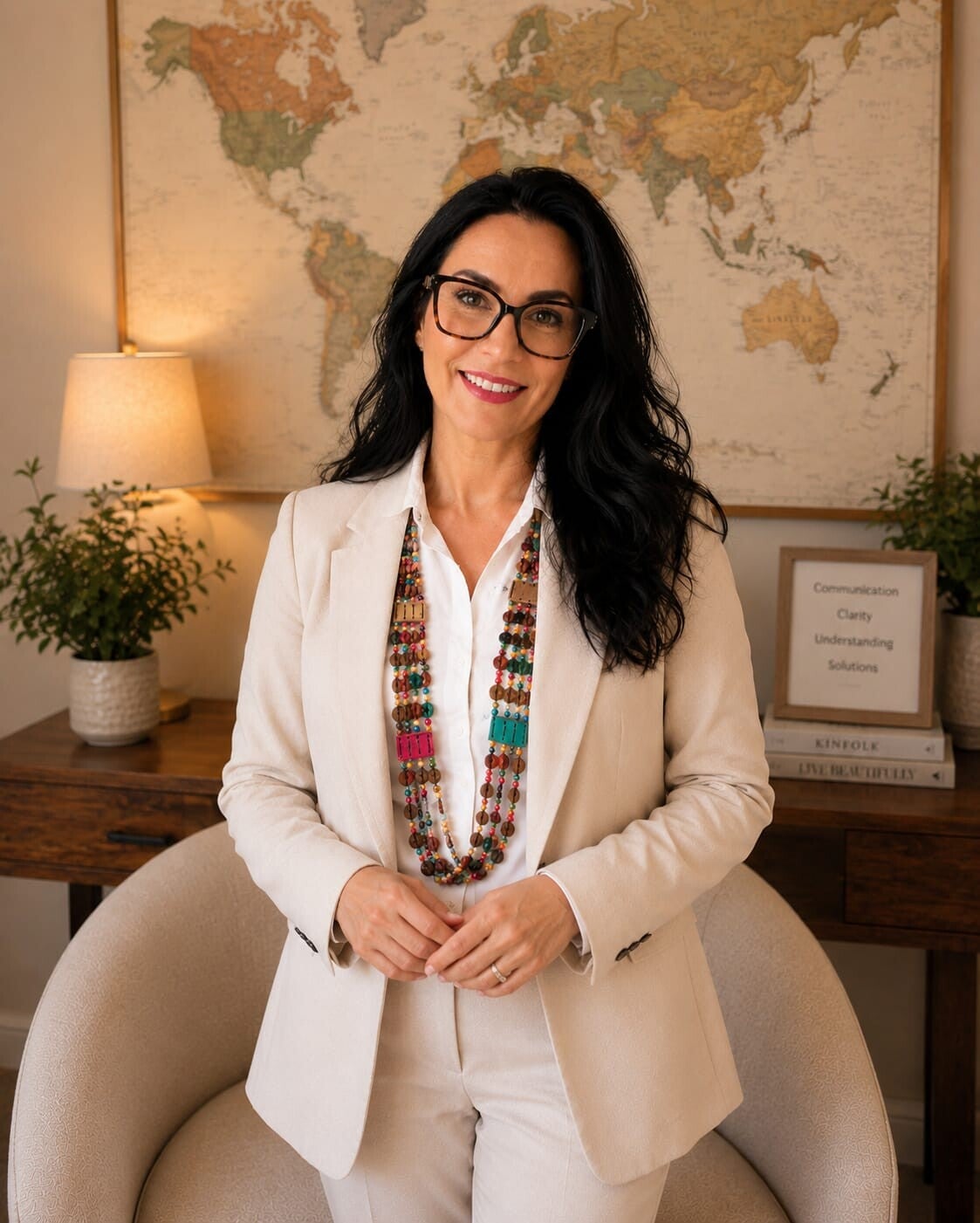
The Beyond Conflict Method was created by Wanda White to help individuals, couples, families, co-parents, teams and multicultural relationships understand what is happening beneath the conflict and move forward with clarity, dignity and respect.
A method for understanding what sits beneath conflict
The Beyond Conflict Method combines mediation principles, Nonviolent Communication, counselling skills, emotional awareness, structured communication tools and practical conflict-resolution strategies.
It is not only about solving one disagreement. It is about helping people understand the patterns, emotions and needs behind the conflict so they can communicate differently in the future.
This method supports people who want to move beyond blame, avoidance or repeated arguments and create healthier ways of speaking, listening and making decisions.
Who this method supports
Individuals, couples and families
For people experiencing relationship tension, emotional disconnection, repeated arguments, family conflict, co-parenting challenges or difficult conversations.
Expats and multicultural relationships
For people navigating cultural differences, relocation pressure, family change, identity shifts or communication misunderstandings across cultures.
Teams and organisations
For workplaces dealing with internal conflict, team tension, communication breakdown, leadership issues or conflict prevention before escalation.
B.E.Y.O.N.D.
Each stage of the method creates a pathway from emotional escalation to understanding, practical solutions and long-term change.
Why the Beyond Conflict Method works
Conflict becomes easier to resolve when people feel safe, understood and guided by structure. The Beyond Conflict Method helps people slow down emotional reactions, understand the deeper issue and communicate in a more constructive way.
It creates safety first
People are less defensive when the conversation feels structured, respectful and emotionally safe.
It looks beneath the surface
Instead of focusing only on who is right or wrong, the method explores the needs, fears and patterns underneath the conflict.
It builds practical change
The method supports clear communication, realistic agreements, healthier habits and long-term conflict prevention.
How this method can be used
Relationship and family conversations
Support for couples, families and co-parents who need to communicate more clearly and reduce repeated conflict.
Relocation and expat support
Support for individuals, couples and families dealing with cultural adjustment, relocation stress and emotional pressure during major life change.
Workplace conflict
Support for teams, managers and organisations dealing with communication breakdown, internal tension or conflict prevention.
Workshops and training
Practical communication and conflict-prevention sessions for groups, organisations and communities.
Beyond conflict is not about deciding who is right or wrong.
It is about helping people understand what is happening beneath the conflict, rebuild communication and create healthier ways forward with clarity, dignity and respect.